Rose Skinner: The Signature Font for Personal Designs
In the world of fonts, sometimes you need something beyond the clean, predictable lines of a standard typeface. You need a touch of personality, a whisper of romance, or a feeling of handcrafted intimacy. This is where a script font like Rose Skinner shines. It isn't just another font option in your design software; it's a digital tool designed to emulate the natural, flowing beauty of a personal signature.
What Makes Rose Skinner Special
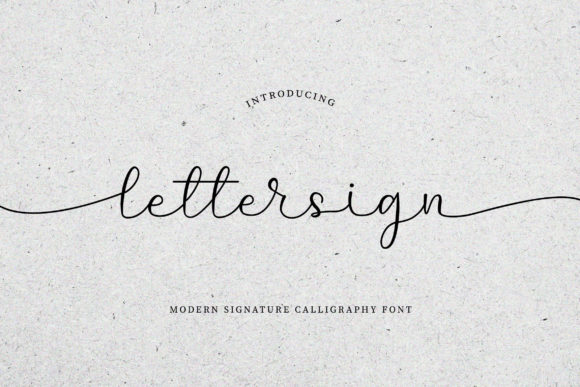
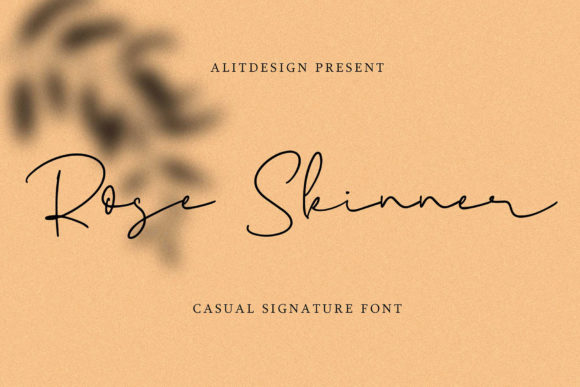
Rose Skinner is characterized by its connected, cursive letterforms that mimic the smooth, continuous stroke of a pen. Unlike some script fonts that feel overly rigid or digitally perfect, Rose Skinner aims to capture the organic variations and gentle elegance found in handwritten calligraphy. The letters flow from one to the next with a relaxed rhythm, creating a visual texture that feels authentic rather than manufactured. Its primary value lies in this ability to add a human, personal touch to projects that might otherwise feel cold or generic.
For anyone from a hobbyist crafting a birthday card to a marketer designing a boutique brand logo, the appeal is immediate. It solves a common design problem: how to inject warmth and individual character into a digital creation. When your goal is to communicate qualities like romance, craftsmanship, personal care, or artistic flair, a standard sans-serif font often falls short. Rose Skinner steps in to fill that gap.
Real-World Uses for This Romantic Font
The applications for Rose Skinner are as varied as the people who might use it. It excels in contexts where the message needs to feel direct and from the heart.
- Personal Stationery & Greetings: Imagine designing wedding invitations, anniversary cards, or personalized thank-you notes. Using Rose Skinner for the names or key phrases instantly elevates the piece, making it feel lovingly assembled rather than mass-produced.
- Small Business Branding: Entrepreneurs running boutique shops, cafes, bakeries, or artisan craft businesses can use Rose Skinner in their logo, packaging, or website headers. It subtly communicates quality, attention to detail, and a personal connection with the customer.
- Digital Content with a Soft Touch: Bloggers, educators, or freelancers creating eBooks, course materials, or website banners can use Rose Skinner for titles or pull-quotes. It breaks the monotony of standard text and draws the reader’s eye with its elegant curves, perfect for themes related to lifestyle, creativity, or wellness.
- Artistic Projects & Crafting: Hobbyists working on digital art, scrapbooking, or creating labels for homemade products (like jams or candles) can integrate Rose Skinner. It adds a cohesive, designed element that makes a simple project look professionally finished.
In a professional setting, a graphic designer might pair Rose Skinner with a simpler, strong font for body text. This combination allows the script to provide the decorative accent without sacrificing readability for longer passages.
Important Considerations Before Using Rose Skinner
While Rose Skinner is beautifully versatile, a few practical observations will help you use it effectively. First, consider readability. Script fonts, by their nature, are best used for short pieces of text—headlines, names, titles, or important phrases. Avoid using Rose Skinner for lengthy paragraphs or small-size body text, as the connected letters can become difficult to read.
Second, think about context and tone. Its romantic, signature-inspired style is perfect for many projects, but it might not suit a corporate financial report or a tech hardware manual. Always match the font’s personality to the project’s overall mood.
Finally, pay attention to spacing and layout. Because it mimics handwriting, Rose Skinner may require a bit more careful adjustment in your design software to ensure the words look balanced and natural. Don’t be afraid to tweak the letter spacing or size to get the perfect flow for your specific phrase.
Bringing Your Ideas to Life with a Personal Font
Choosing a font is one of the subtle yet powerful decisions in any design process. Rose Skinner offers a specific solution: the need for a signature-style aesthetic. It supports the goal of making your work feel uniquely yours, whether that work is a commercial brand identity or a personal craft project. By providing a digital approximation of handwritten elegance, it bridges the gap between impersonal technology and human expression.
For beginners, starting with a clear purpose is key. Ask yourself: "Do I want this element of my design to feel personal, romantic, or handcrafted?" If yes, then experimenting with Rose Skinner is a great next step. Try it on a single line of text in your project and see how it transforms the feeling of the entire piece. Often, that single, elegant line is all you need to create the intended impression.
In essence, Rose Skinner is more than a collection of letters; it’s a design tool for conveying emotion and personality. Its natural flow invites viewers to feel a connection, as if the creator directly reached out to them with a pen. In a digital age, that touch of authentic humanity is a precious commodity for any creator looking to make their mark.