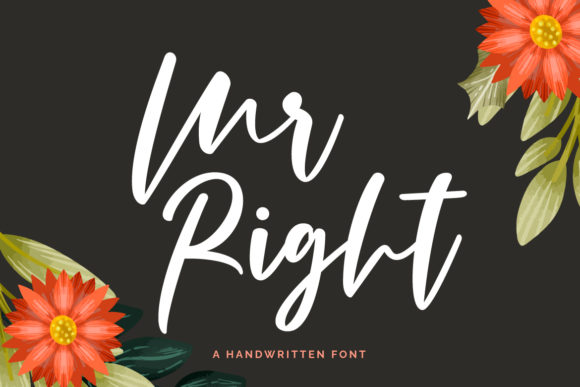
The Hello World Font: A Detailed Evaluation
In the expansive world of typography, script fonts hold a special place, often used to convey elegance, personality, and warmth. Among these, Hello World has emerged as a notable option for designers and creators seeking a particular aesthetic. This article provides a balanced evaluation of the Hello World font, examining its characteristics, potential applications, and considerations for its use to help you determine if it aligns with your specific project needs.
Understanding the Hello World Font
Hello World is a digital script font characterized by its neat and delicate construction. It falls within the category of casual or formal script typefaces, designed to mimic the fluidity of handwriting while maintaining a high degree of readability and consistency. The design of Hello World typically features connected letterforms with subtle variations in stroke weight, creating a rhythm that feels organic yet polished. Its primary design intent is to offer a personalized style, making it distinct from more rigid or traditional typefaces.
Core Characteristics and Aesthetic
The defining traits of Hello World contribute to its specific appeal. Its neatness implies a clean, uncluttered appearance, avoiding the overly ornate flourishes found in some vintage scripts. The delicacy suggests fine line work and a lightness that can lend a sense of sophistication or intimacy. This combination makes Hello World versatile within its domain, capable of scaling effectively for different sizes without losing its essential character. The font’s beauty, as often described, stems from this balance between approachable handwriting and refined digital design.
Potential Reasons for Interest in Hello World
Individuals exploring the Hello World font are likely driven by specific project requirements where tone and visual sentiment are paramount. A primary reason for interest is the need for a typeface that communicates a personal, human touch in a digital or printed medium. Unlike stark geometric fonts, Hello World can inject warmth and individual character into a design. Furthermore, its reputation for looking beautiful across applications suggests it offers reliability in rendering, which is a practical concern for designers working on multiple output formats.
Another significant reason is the search for a script font that avoids extremes. Some scripts can be overly dramatic or too simplistic; Hello World appears to target a middle ground. This makes it a candidate for projects that require elegance without ostentation, or personality without overwhelming the core message. Its suitability for a variety of designs indicates a flexible nature, which can be appealing when a single font family is needed for a cohesive branding suite, from a logo to accompanying collateral.
Benefits and Practical Applications
The benefits of using Hello World are closely tied to its design attributes. Its delicate script nature makes it a strong fit for designs demanding a personalized style. Common and effective applications include:
- Wedding Invitations and Thank You Cards: The font’s elegance and warmth align perfectly with the emotional tone of wedding communications.
- Greeting Cards: For birthdays, holidays, or personal notes, Hello World can enhance the feeling of a hand-written message.
- Logo Design: For brands in industries like boutique retail, artisan crafts, beauty, or lifestyle, Hello World can form a memorable and approachable logotype.
- Event Announcements: Similar to wedding invites, other formal or semi-formal event notices can benefit from its refined casualness.
In these contexts, the Hello World font acts as a visual tone-setter. It can elevate the perceived quality and intentionality of a design. A practical benefit is its likely support for a wide character set, including ligatures and alternates, which allows for creative customization while maintaining brand consistency. For designers, this reduces the need to switch fonts between different pieces of a project.
Tradeoffs and Key Considerations
While Hello World offers distinct advantages, it is crucial to consider its limitations and the tradeoffs involved in selecting it. First, as a script font, its readability in long body text is generally low. Using Hello World for paragraphs of text can hinder reading flow and accessibility. It is best reserved for headlines, short phrases, logos, and decorative elements.
Another consideration is the font’s emotional range. Its neat and delicate nature may not suit projects requiring boldness, high energy, or a rugged, industrial feel. It communicates sophistication and intimacy, which could be mismatched for a tech startup or a sports brand, for example. Evaluating the brand or project personality against the font’s inherent voice is essential.
Technical expectations also matter. One must verify the licensing terms of the Hello World font. Is it free for commercial use, or does it require a purchase? Does it include web font files for digital use, and does it perform well across different browsers and devices? These practicalities impact the final decision and project budget.
Situations Where Hello World Is a Strong Fit
Hello World is a compelling choice when the project goals directly overlap with its strengths. Situations where it may be a strong fit include:
- Personalized Stationery Design: Any print project aiming to replicate the charm of personal handwriting.
- Branding for “Soft” Industries: Businesses in weddings, floral design, cafés, jewelry, and personalized gifts where the brand identity leans towards elegance and care.
- Complementary Accent Typography: When used alongside a more neutral sans-serif or serif font for headings in a multi-font system, Hello World can provide impactful contrast.
- Projects with a Feminine or Classic Tone: While not exclusively feminine, its delicacy often aligns with designs targeting these aesthetics.
In these scenarios, the Hello World font can fulfill a clear role as a primary or secondary typeface, enhancing the design’s alignment with its intended audience and message.
When to Consider Alternatives
Despite its versatility within a niche, alternatives to Hello World should be explored in several situations. If the project requires extensive body text, a more readable serif or sans-serif font would be necessary, possibly pairing a script like Hello World only for titles. For brands seeking a more modern, minimalist, or assertive identity, other script fonts with bolder weights or sans-serif fonts with personality might be better.
Additionally, if budget is a constraint and the Hello World font carries a significant cost, exploring free or lower-cost script alternatives with similar traits is a prudent step. Some script fonts offer more extensive families with multiple weights and italics, providing greater flexibility for complex branding systems. If the project demands a truly unique, custom handwritten feel, investing in actual custom lettering or a more variable script font might yield a more distinctive result than using a standardized digital font like Hello World.
Practical Decision-Making Insights
To determine whether Hello World aligns with your goals, conduct a practical assessment. First, clearly define the emotional and functional requirements of your project. Does “neat and delicate” match your needed tone? Second, test the font in context. Place Hello World on your actual invitation mock-up, logo sketch, or card design. Evaluate its readability at the intended size and its harmony with other design elements. Third, research its technical specifications and licensing to ensure seamless integration into your workflow and compliance with usage terms.
Ultimately, the decision to use Hello World hinges on a match between its predefined aesthetic qualities and your project’s communicative needs. It is a tool with a specific purpose. By objectively weighing its benefits against its inherent constraints and comparing it to the broader field of script and display typefaces, you can make an informed selection that serves your design effectively and meets your practical expectations.