The Flourishing Script: How Workspace Captures the Modern Creative Pulse
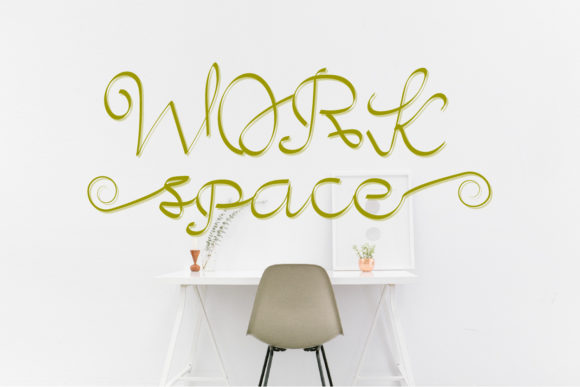
In the digital age, where communication is often crisp, clean, and templated, a countermovement thrives. It is a desire for personality, for a touch of the human hand in our pixels. This is where typefaces like Workspace enter the scene, not merely as a tool, but as a statement. Workspace is a fun and flowing script font, characterized by its gorgeous and unique letterforms that evoke a sense of spontaneous creativity. But its significance extends far beyond its aesthetic charm. It represents a broader shift in how professionals, creators, and businesses are approaching visual identity—moving from sterile uniformity to expressive authenticity.
Beyond the Glyph: Workspace as a Cultural Signal
To understand the resonance of Workspace, one must look at the context in which it flourishes. We exist in an era of saturated visual markets. Brands, influencers, and independent creators compete for attention in spaces where differentiation is paramount. The minimalist, geometric sans-serif fonts that dominated the early web and app design era now share the stage with more expressive typographic choices. This isn't about abandoning clarity; it's about augmenting it with character.
The adoption of fonts like Workspace aligns with several concurrent trends:
- The Rise of the Maker Economy: DIY projects, from handmade crafts to digital art, are no longer niche hobbies but substantial economic and cultural forces. These creators need assets that reflect the handmade, personal nature of their work.
- Brand Humanization: Companies, especially those targeting direct consumer relationships, seek to soften their corporate edges. A flowing script can inject warmth and approachability into logos, packaging, and marketing materials.
- The Personalization of Digital Spaces: From custom wedding invitations to unique YouTube channel artwork, individuals expect tools that allow them to express their specific taste, moving away from generic, platform-provided templates.
Workspace fits perfectly into these narratives. Its "fun and flowing" nature isn't frivolous; it's functional. It provides a ready-made, yet highly customizable, voice for projects that demand a less formal, more inviting tone.
Why Attention is Turning to Expressive Typography
The attention paid to fonts like Workspace stems from a changing set of needs and expectations. The workflow of a modern creator or marketer is not linear. It often involves jumping between professional client work, personal passion projects, and rapid-content creation for social media. A versatile typeface that can traverse these contexts is invaluable.
Practical expectations have evolved:
- Speed with Soul: Users need assets that are quick to implement (digitally available fonts) but that don't sacrifice uniqueness. Workspace offers immediate character without the time investment of custom lettering.
- Cross-Platform Consistency: A brand or project's visual identity must flow seamlessly from a physical product label to an Instagram post to a website banner. A distinctive script font creates a recognizable thread across all mediums.
- Emotional Resonance: In a marketplace driven by connection, the aesthetic choice carries emotional weight. The flowing strokes of Workspace can convey joy, creativity, elegance, or casual sophistication, setting the psychological stage for the content it accompanies.
For the entrepreneur designing her boutique's logo, or the freelance graphic designer curating a client's wedding stationery, these are not minor considerations. They are central to the project's success.
Bringing Projects to Life: Practical Applications of Workspace
The promise to "bring any DIY project to life" is where Workspace transitions from concept to concrete utility. Its application is best understood through observation and example.
In the Realm of Small Business and Branding
A local artisan bakery might use Workspace for its shop sign and weekly specials board posted online. The font’s flowing nature mimics the hand-drawn signs one might see in a rustic café, translating that authentic, craft feel into digital promotions. Similarly, a startup in the lifestyle sector—selling organic teas or curated home goods—could employ Workspace for its product packaging and primary website headings. It subtly communicates care and curation, values that resonate deeply with their target audience.
For the Independent Creator and Digital Enthusiast
Consider a YouTuber focusing on DIY home decor. Their channel artwork, video titles, and merchandise (like t-shirts or mugs) all require a cohesive visual theme. Using a standard system font would feel incongruent with the handmade content they produce. Workspace, however, can be used to create custom graphics that feel like an extension of their on-screen personality. It bridges the gap between the digital presentation and the tangible, creative projects they showcase.
Another poignant example is in the world of digital planning and printables. Entrepreneurs creating downloadable planners, journals, or educational kits for sale on platforms like Etsy often use script fonts for titles and decorative elements. Workspace provides that elegant, motivating touch that makes a PDF product feel special and designed, rather than generic.
Connecting to Larger Developments: The Typography-Technology Synergy
The relevance of Workspace is also tethered to technological advancements. The proliferation of accessible design software—from Canva to Adobe Express, and even advanced features in standard word processors—has democratized typographic choice. Users no longer need deep expertise in typesetting to implement a beautiful script font. They can simply select it from a dropdown menu.
Furthermore, the improvement in screen resolutions and rendering capabilities means that the delicate curves and nuanced strokes of a script like Workspace are displayed crisply and beautifully across devices. This technical fidelity ensures the aesthetic intent is preserved, making it a reliable choice for web-based projects where display consistency is crucial.
This synergy points to a larger development: design tools and assets are evolving to serve a broader, more diverse set of users. The technology isn't just for professional designers anymore; it's for anyone with a vision. Fonts like Workspace are key components in this toolkit, designed to be both gorgeous and readily usable, lowering the barrier to high-quality visual expression.
The Forward-Looking Perspective: Authenticity as a Standard
Looking ahead, the trajectory points towards an continued emphasis on authentic expression. As AI-generated content and templated designs become more common, the counter-value of human-centric, personality-driven design will rise. Assets that feel crafted, chosen, and intentional will stand out.
Workspace, and fonts of its ilk, are not mere decorative trends. They are responses to a market that increasingly rewards authenticity. For the professional crafting a client's brand, the marketer designing a heartfelt campaign, or the enthusiast bringing a personal project to life, the choice of typography is a strategic one. It’s about selecting a visual voice that speaks with the right tone—in this case, one that is fun, flowing, and fundamentally human.
In essence, adopting a font like Workspace is an insightful and practical decision. It connects a project to the contemporary desire for warmth and individuality, leverages current technological accessibility, and serves the multifaceted workflows of today's creators. It turns text into texture, and messages into experiences, proving that even in a digital world, the flourish of a script can make all the difference.